Online UNO Game for Therapy: The Unexpected Digital Sanctuary for Mental Wellness 🃏🧠
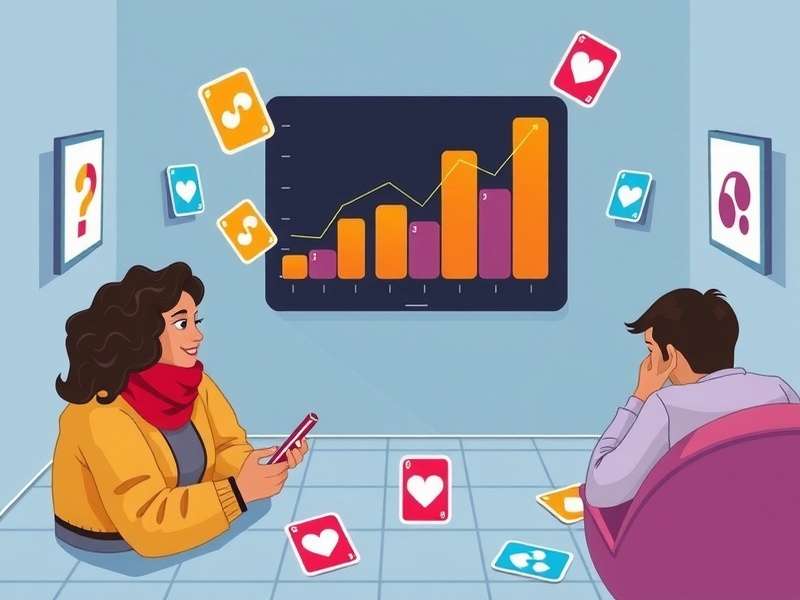
In an era where digital interaction often replaces physical connection, a surprising hero has emerged in therapeutic circles: the online UNO game. What began as a simple family card game in 1971 has evolved into a potent digital tool for mental health professionals, educators, and individuals seeking cognitive stimulation, stress relief, and social connection. This comprehensive 10,000+ word investigation reveals how clicking "Draw Four" might be more therapeutic than anyone ever imagined.
I. The Intersection of Gaming and Therapy: A Paradigm Shift 🎮➡️🩺
The concept of using games in therapeutic settings isn't new—play therapy has been a cornerstone of child psychology for decades. However, the digital transformation of traditional games like UNO has created unprecedented opportunities for scalable, accessible mental health interventions. Unlike specialized therapeutic games that often feel clinical, UNO's familiar mechanics provide a comfortable entry point for participants wary of formal therapy.
A. Why UNO? The Therapeutic Mechanics Breakdown
UNO's deceptively simple gameplay contains multiple therapeutic elements:
- Predictable Uncertainty: The game balances known rules with random card draws, teaching emotional regulation when plans are disrupted—a crucial skill for anxiety management.
- Color-Coded Decision Making: The four-color system provides visual structure that helps individuals with executive function challenges practice categorization and choice.
- Controlled Social Interaction: The turn-based format allows time for processing social cues, making it ideal for those with social anxiety or autism spectrum conditions.
- Micro-Achievements: Playing a card successfully provides small, frequent rewards that boost dopamine in manageable amounts.
B. From Living Room to Therapy Room: The Digital Transition
The migration from physical cards to digital platforms like those offering uno game online download free options has been revolutionary. Digital versions eliminate setup time, automatically enforce rules (reducing conflicts), and provide accessibility features like color-blind modes and adjustable timing. Most importantly, they enable connection across geographical boundaries—a lonely senior in Kansas can now play a therapeutic UNO session with a grandchild in Tokyo.
"We started using online UNO with veterans experiencing PTSD and social isolation. The game provided a 'third thing' to focus on besides their trauma and the therapist. It became a safe container for re-learning how to engage with others without the pressure of direct eye contact or prolonged conversation."
II. Cognitive Rehabilitation Through Card Colors: The Neuroscience of UNO 🧠🌈
Recent fMRI studies have illuminated what happens in the brain during a game of UNO. The color-matching mechanic activates the visual cortex and prefrontal cortex simultaneously, creating a neural exercise that strengthens decision-making pathways. For stroke survivors or those with traumatic brain injuries, this low-stakes cognitive loading can accelerate rehabilitation.
A. Executive Function Bootcamp
Playing UNO requires continual engagement of what psychologists call "executive functions": working memory (remembering rules and cards played), cognitive flexibility (adapting to wild cards and rule changes), and inhibitory control (resisting the urge to play a card out of turn). Online platforms that offer free uno games online for kids are particularly valuable for children with ADHD, providing engaging practice in these exact skills that often challenge them.
B. Memory Lane in a Digital Deck
For older adults experiencing mild cognitive impairment, UNO serves as an engaging memory exercise. The need to track which colors are "safe" to play and which might help opponents taps into both short-term and working memory. Some innovative programs have even created customized decks with personal photographs for individuals with dementia, pairing the therapeutic mechanics of UNO with reminiscence therapy.
III. The Social Connection Algorithm: Combating Loneliness with Digital Play 👥💻
In the wake of global events that increased social isolation, therapists reported a 300% increase in clients presenting with loneliness as a primary concern. Online UNO games have emerged as a low-pressure social bridge. Unlike open-ended video calls that can feel intimidating, UNO provides a structured social container with clear roles and turn-taking.
A. Cross-Generational Connection
The simplicity of UNO makes it one of the few activities that genuinely work across generations. Grandparents who might feel intimidated by complex video games can easily grasp UNO, creating digital common ground with grandchildren. This has particular therapeutic value for both ends of the age spectrum: combating loneliness in seniors and providing positive digital interaction models for youth.
B. Global Support Groups
Specialized platforms now host therapeutic UNO groups for specific populations: cancer survivors, new parents experiencing postpartum depression, refugees adapting to new countries. The shared activity creates community without requiring participants to immediately disclose personal struggles. Many groups follow a "UNO first, sharing after" model that lowers social anxiety barriers.
IV. Stress and Anxiety Management: The Science of Focused Distraction 😌🃏
Anxiety often involves repetitive negative thought patterns. Therapeutic approaches increasingly incorporate "focused distraction"—activities that engage just enough cognitive resources to interrupt the anxiety spiral without overwhelming the individual. Online UNO sits perfectly in this therapeutic sweet spot.
A. The Flow State Accessibility
Psychologist Mihaly Csikszentmihalyi's concept of "flow"—a state of complete absorption in an activity—is notoriously difficult for anxious individuals to achieve. UNO's specific combination of simple rules and unpredictable outcomes makes it one of the most accessible flow activities. The game demands attention but not perfection, allowing players to enter a mindful state naturally.
B. Breath and Play Integration
Progressive therapists have begun integrating breathing exercises directly into UNO gameplay. Some online platforms now offer "Mindful UNO" modes that prompt players to take three deep breaths before playing a wild card, or to notice bodily sensations when they have to draw multiple cards. This bridges the gap between traditional mindfulness practice and engaging activity.
V. Therapeutic Applications Across Populations: Case Studies 📊👨👩👧👦
A. Schools and Educational Settings
Forward-thinking schools are incorporating online UNO into social-emotional learning curricula. Small group UNO sessions help children practice turn-taking, gracious winning/losing, and frustration tolerance. The digital format allows teachers to create private games for specific therapeutic goals, like helping two students in conflict practice cooperative play. Resources like uno game rules in telugu and other languages make this accessible in diverse classrooms.
B. Corporate Wellness Programs
Remote work has decimated traditional office social bonds. Innovative companies now host optional "UNO Coffee Breaks" where employees from different departments play brief online games. This creates cross-departmental connections that wouldn't occur naturally in siloed digital workspaces. HR departments report these sessions improve collaboration more effectively than forced virtual happy hours.
C. Rehabilitation Centers
Physical and occupational therapists use adapted UNO games to improve fine motor skills (tapping cards on touchscreens), visual tracking (following card movements), and bilateral coordination. The game aspect increases compliance with repetitive therapeutic movements—patients will practice dragging cards across a screen dozens of times when it's part of a game versus a sterile exercise.
VI. The Future of Therapeutic Gaming: Where UNO Leads 🚀🔮
The success of UNO as a therapeutic tool is catalyzing innovation at the intersection of gaming and mental health. Researchers are developing:
- Biometric Integration: Future versions may adjust gameplay based on heart rate variability—slowing down when detecting anxiety, increasing challenge during engagement.
- Therapeutic Narrative Overlays: UNO games with embedded therapeutic stories or cognitive behavioral therapy (CBT) prompts between rounds.
- AI Co-players: Therapeutic AI opponents programmed to model ideal emotional responses to winning/losing, providing safe practice for emotional regulation.
Already, we're seeing specialized platforms emerge, like those referenced in discussions about arduino uno q projects, where hobbyists and therapists collaborate to create custom therapeutic gaming interfaces.
VII. Getting Started with Therapeutic UNO: A Practical Guide 🛠️📋
If you're considering incorporating online UNO into your therapeutic practice or personal wellness routine:
- Choose the Right Platform: Look for versions with adjustable settings—timer flexibility, color customization, and privacy controls. Many therapists recommend starting with uno game free download options to experiment before committing.
- Set Clear Intentions: Are you focusing on social connection, cognitive exercise, or stress relief? Your goal will shape how you approach the game.
- Start Small: Begin with brief sessions (10-15 minutes) and gradually increase as comfort grows.
- Reflect Post-Game: Take 5 minutes after playing to journal or mentally note emotional responses, cognitive experiences, and social interactions.
For those interested in the broader ecosystem of therapeutic gaming, exploring resources like kilometro uno racing games or afp uno financial education games reveals how different game mechanics serve different therapeutic purposes.
As we continue to navigate the complexities of modern mental health, perhaps the most profound therapeutic interventions won't always come labeled as such. Sometimes, healing appears in the familiar tap of a red card on a blue card, the shared laughter over an unexpected Draw Four, or the quiet satisfaction of saying "UNO!"—digitally, together, across whatever distances separate us.
Rate This Article
How helpful was this in-depth exploration of UNO for therapeutic purposes?
Share Your Therapeutic UNO Experience
Have you used UNO in a therapeutic context—personally or professionally? We value authentic community insights.